
Recognizing the quiet ways mental well-being shapes how we live, connect, and care for ourselves at every stage of life.
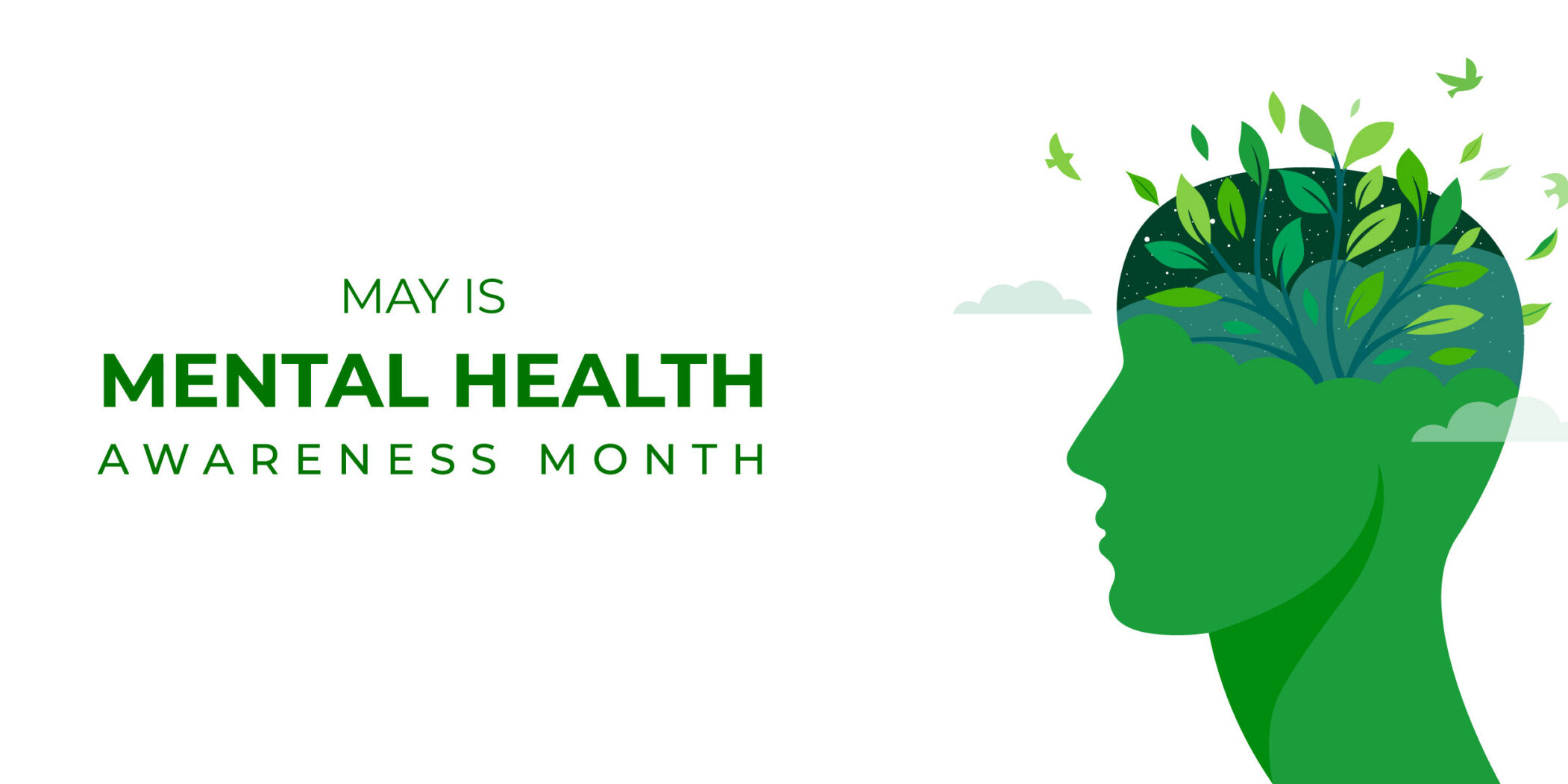
May is Mental Health Awareness Month — a time to pause and reflect on how caring for our mental well-being is an essential part of caring for ourselves as a whole.
Mental health is not separate from physical health. It influences how we feel, how we connect with others, and how we move through daily life — no matter our age or stage.
And yet, it is often the hardest to recognize.
Not because it is rare — but because it is quiet.
When It Doesn’t Look Like What We Expect
Mental health does not always present in obvious ways.
It is not always visible as sadness or stress. More often, it shows up in subtle shifts:
- Feeling more withdrawn than usual
- Increased irritability or frustration
- Changes in sleep or energy levels
- Difficulty focusing or staying engaged
- Losing interest in things that once brought enjoyment
These changes can be gradual, making them easy to overlook. But over time, they can begin to affect how we experience daily life.
The Weight We Carry
Each person carries their own set of responsibilities and experiences.
For some, it may be balancing work, family, and daily demands.
For others, it may be caregiving or navigating personal loss.
And for many, it is simply the accumulation of stress over time.
Mental health is not only shaped by major events; it is influenced by the everyday moments that build quietly beneath the surface.
The Power of Connection
One of the most meaningful supports for mental well-being is connection.
A conversation.
A shared moment.
A sense of being seen and understood.
These are not small things. Connection reduces isolation, builds resilience, and creates a sense of belonging — especially during challenging times.
A Closer Look at Mental Health in Aging
While mental health affects everyone, older adults often experience unique challenges that can go unnoticed.
Changes in routine, shifts in independence, and loss of loved ones can all impact emotional well-being. These changes are often gradual, making them easy to overlook.
Mental health in older adults may appear as:
- Withdrawal from activities or social interaction
- Changes in mood or increased frustration
- Loss of motivation or energy
- Disruption in daily routines
These signs are sometimes attributed solely to aging, but emotional well-being remains essential at every stage of life.
Supporting Mental Health in Everyday Ways
Supporting mental health does not require perfect solutions. It often begins with awareness and small, intentional actions:
- Checking in with one another
- Creating space for conversation without judgment
- Maintaining routines that provide stability
- Encouraging moments of rest, movement, and connection
For caregivers, healthcare professionals, and team members, this also means recognizing the importance of caring for yourself while caring for others.
A Community That Cares
At Valley Vista, we believe that mental health is an essential part of overall well-being.
Whether supporting residents, working alongside families, or working as a team, we strive to create environments where people feel valued, respected, and connected.
Because no matter where we are in life, mental health matters — and no one should have to navigate it alone.