
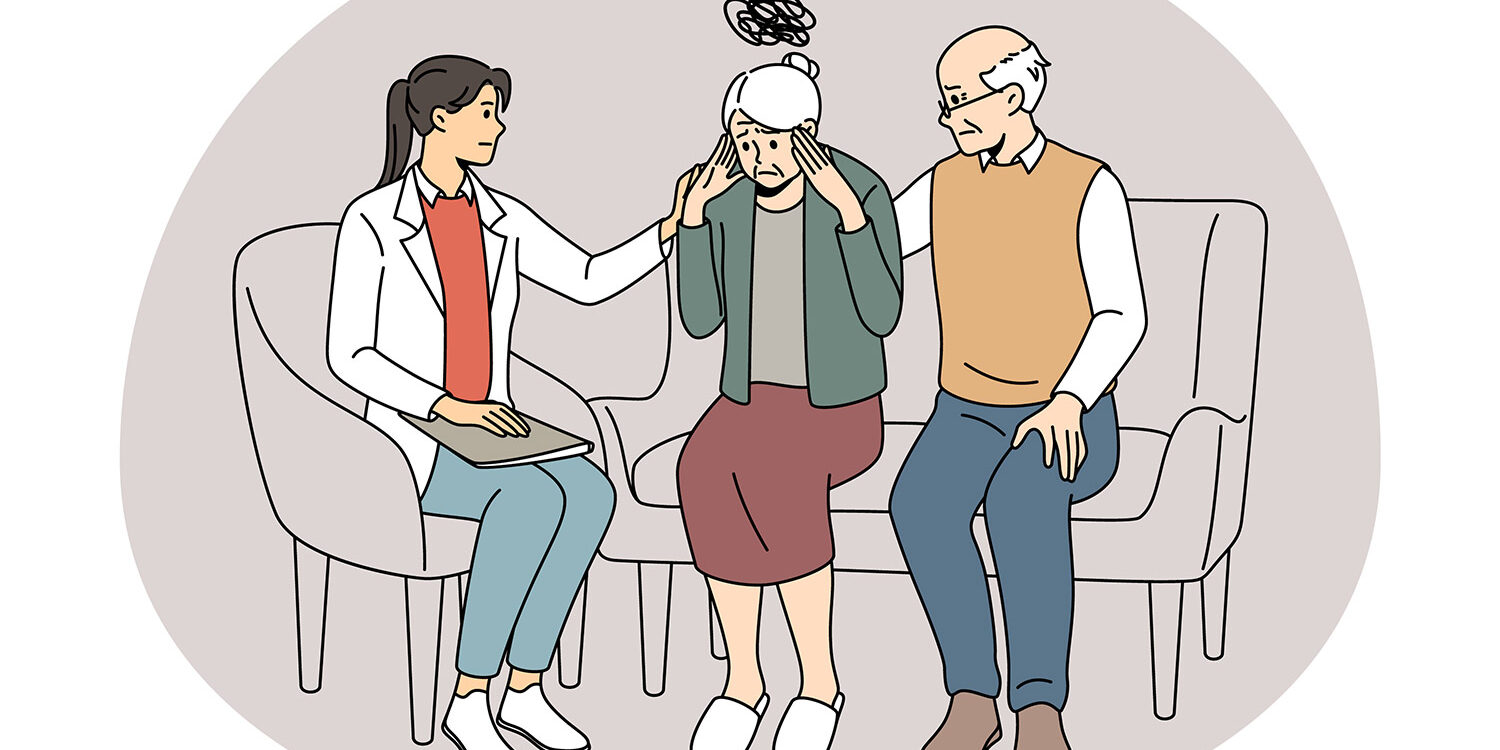
It is something many families notice quietly at first.
A missed appointment.
A story repeated more than once.
A misplaced item that turns up in an unusual place.
At first, it is easy to explain away. We all forget things from time to time. Life gets busy, routines change, and small lapses in memory can feel like a normal part of aging.
But for many families, there comes a moment when the question shifts from “Is this normal?” to “Should we be paying closer attention?”
At Valley Vista, we often walk alongside families navigating this exact uncertainty. Understanding the difference between typical age-related changes and something more significant can help guide next steps with confidence and clarity.
What Can Be a Normal Part of Aging
As we grow older, it is natural for certain cognitive processes to slow slightly. This does not mean something is wrong; it simply reflects changes in how the brain processes and retrieves information.
- Some common, normal changes include:
- Occasionally forgetting names or appointments but remembering them later
- Taking a bit longer to find the right word
- Misplacing items from time to time
- Needing reminders or written notes to stay organized
These moments can be frustrating, but they do not typically interfere with a person’s ability to live independently or manage daily routines.
When Changes May Signal Something More
There are times, however, when memory changes begin to look different.
Instead of occasional forgetfulness, families may notice patterns that feel more consistent or concerning. These changes often affect not just memory, but also reasoning, behavior, and daily functioning.
Some signs that may warrant closer attention include:
- Repeating the same questions or stories frequently, without awareness
- Difficulty following familiar routines or completing everyday tasks
- Increased confusion about time, place, or surroundings
- Changes in judgment or decision-making
- Withdrawal from social activities or conversations
- Noticeable changes in mood, personality, or behavior
These moments can feel subtle at first, but over time, they often become more noticeable.
The Importance of Early Awareness
One of the most important things families can do is simply pay attention.
Recognizing changes early does not mean jumping to conclusions — it means creating space for observation, conversation, and support. Early awareness allows families to better understand what may be happening and to consider next steps in a thoughtful, proactive way.
It also gives individuals the opportunity to remain involved in decisions about their care, preferences, and future planning.
Starting the Conversation
For many families, knowing what to look for is easier than knowing what to say.
Conversations about memory changes can feel uncomfortable. They can bring up fear, defensiveness, or uncertainty. It is not uncommon for a loved one to minimize concerns or feel frustrated by the topic.
A helpful approach is to lead with care and curiosity rather than correction.
Instead of focusing on what is “wrong,” consider:
- Sharing observations gently
- Asking open-ended questions
- Framing the conversation around support and safety
- Choosing a calm, private moment to talk
These conversations are rarely one-time discussions. They are ongoing, evolving, and rooted in trust.
Supporting the Whole Person
Changes in memory do not only affect the individual — they affect the entire family.
There can be a range of emotions involved: concern, confusion, sadness, and even guilt. It is important to recognize that these feelings are a natural part of the process.
At Valley Vista Care, we believe in a whole-person approach. That means recognizing the physical, emotional, and social aspects of aging. It also means understanding that each individual’s experience is unique.
Through compassionate, attentive care, we focus on maintaining dignity, supporting daily routines, and creating environments where individuals feel safe, respected, and connected.
You Are Not Alone in Noticing
If you have found yourself wondering whether something feels different, you are not alone.
Many families reach a point where they begin to notice small shifts and are unsure what they mean. Taking that first step — acknowledging the change — is often the hardest part.
What matters most is approaching the situation with patience, awareness, and care.
Moving Forward with Intention
Understanding memory changes is not about having all the answers right away. It is about staying present, asking thoughtful questions, and remaining open to what may be unfolding.
At Valley Vista Care, we are proud to be part of a community that values prevention, dignity, and compassionate care. Through our holistic approach to serving older adults, we remain committed to supporting overall well-being within the care environments we provide; honoring the connection between physical health, emotional well-being, and quality of life.
Because when we take the time to notice, listen, and respond with intention, we create space for care that truly honors the individual, and the family walking alongside them.